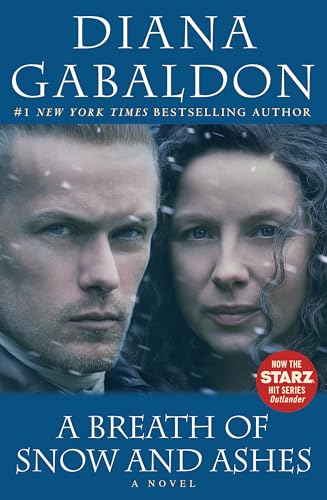
Do you know what it means to be a bestselling author?
Well, for one thing, it may no longer mean a lot of books were sold. Think about that for a minute.
These questions, plus a few more, bounced around in my mind after reading a blog post on the Texas Authors website. (If you live in Texas be sure and check out this great organization.) Now back to the blog post that caught my attention.
Does Anybody Know What a Bestseller Is? By John Maher, with reporting by Rachel Deahl and Claire Kirch | Nov 03, 2017
The post pointed out something I’m sure most of us have noticed or read about, an overabundance of categories and subcategories on Amazon. You name it and the giant e-tailer most probably has a subcategory for the subject. Under Art & Photography, I counted 17 subcategories, one named Vehicle Pictorials. 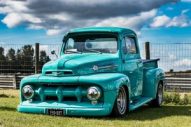
 Before the gold rush of ebooks, there were two main categories for bestselling books—fiction and non-fiction. These two categories were broken down further into three major print formats—hardcover, trade paperback, and mass market paperback. The simplicity of this system made for easy tracking of bestselling books.
 But then came ebooks, a new fourth category, and sold online. Online sales aren’t monitored or cataloged by brick-n-mortar stores, therefore, sales are not tracked in the same manner as print books.
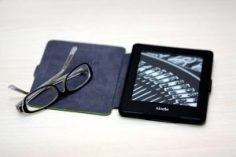 While Amazon reports print sales, provided by Nielsen BookScan, it does not, for the most part, disclose sales of e-books. This sales number also does not include, sales to libraries, purchases by wholesalers such as Ingram, sales of used books, fulfillment by Amazon (FBA) sales or pre-orders—orders for a book before the book is released.
So who provides the most reliable guide for a bestseller list?
From John Maher’s article, I learned…
- The two most transparent and reliable tracking organizations are:
- NPD BookScan’s and PW (Publishers Weekly) point-of-sale data, tracks 80%–85% of print sales in the country, but there again doesn’t (or can’t) track ebooks. Which, although good, provides an incomplete overall view.
- Due to the number of lists, and Amazon’s decision not to share its e-book sales figures, it’s next to impossible identify what the top-selling books are across all formats in a particular week.
- Which Bestseller lists carry weight with bookstores and readers?
- I know it would stoke my ego, but having a book dubbed a “Bestseller” may not always translate into sales. Not like in the past. But what does translate into sales are:
- Good reviews, coverage in high-profile media, and word-of-mouth.
Okay! I’ve got a few questions for you…
Do you think the term “Bestseller” or Bestselling Author” has become watered down by Amazon?
Do you believe it helps book sales? Print or ebook?
Did you know Amazon doesn’t report ebook sales?
Have you been disappointed after buying a book listed as a “Bestselling Novel?” (I have.)
Want to read more on the subject? Click on these posts!
Behind the Scam: What Does It Take to Be a ‘Best-Selling Author’? $3 and 5 Minutes. By Brent Underwood
How Many Books Do You Need To Sell To Become A Bestseller?
I HOPE YOU’LL TAKE A MINUTE TO FOLLOW ME ON SOCIAL MEDIA, JUST CLICK ON THE BUTTONS BELOW. I’LL LEAVE A LIGHT ON.


 Three goals for 2018.



 We all want the characters in our story to jump out at the reader. To engage them and give them fun “ah-ha” moments. Maybe connect a character to a friend or family member. Nothing would make me happier than to hear, “That character reminded me of my best friend. Did you spy on us?”
 Jean's Writing