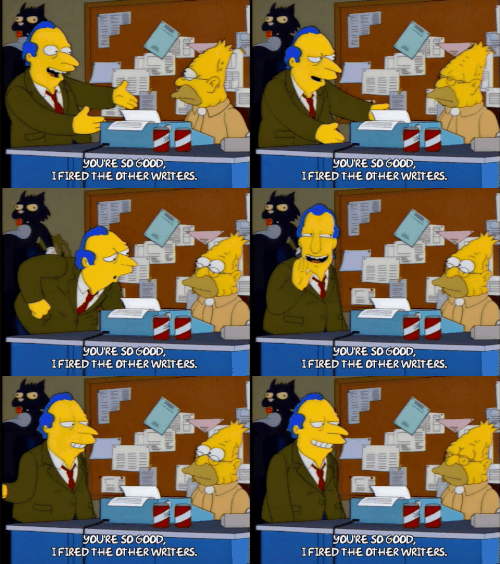
Do you know how to micro-plot?

Hold on- no charts involved.
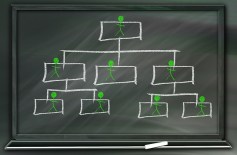
I know you’ve heard all about all kinds of plot points. Turning, climax, action, rising, falling, characters, conflicts, well you get the idea. However, for most of us, pantsters, plotter’s, or half-assters we are all looking for better and easier ways to get the job done.

So how about trying micro-plotting?

Yes, you heard right. I just added another plotting point to think about.

What is micro-plotting you ask?

Today I read an article by David Farland about micro-plotting and had an ah-ha moment. If you’ve read many of my posts you’ll know I just love those flashbulb moments.

If I understood David right it’s where you give the reader a reason to care about the characters. A micro-moment in the story. A sympathy point.

So if you feel like something is missing in your WIP, go back and add a note to make the reader care.

In mine, I added stuff like (show Jack is furiousthen found another place to add information about a different emotion I wanted the reader to feel and inserted that (show Em is hurt.)I discovered this sped up my writing process. It stopped me from rewriting the same thing over and over. I could add a little snippet about what I wanted to convey to the reader and get back to the story at large. This gave me the freedom to come back later and write about Em’s frustration.
Want to read David’s article? Click here… David Farland’s Writing Tips

So what do you think?

Will this stop you from getting hung up on rewrites before the first draft is finished?

Is this something you already do?

Do you have a better trick/tip?

Leave me a comment. I love talking to Y’all.

Please head over and “like” my Facebook page at Facebook at jeanswriting . Or to connect with me, click the “write me” tab. Don’t forget you can follow me on StumbleUpon,  on Twitter @jeancogdell , and Amazon.com.

Please stop by and say “hey!”  I’ll leave a light on. 

You can discover the perfect words every time

Now I can spit out that word dangling on the tip of my tongue, every time.

Thanks to  Nicholas C. Rossis for showing me the way to The Phrase Finder. Cue sound effects.

Can you tell I’m excited? That I just love new toys?

I’m amped up, my head is spinning. I’m ready to pepper my stories with clichés right and left.

Whoa! This is so much fun. I just wasted half the morning playing on this website. You won’t believe how many funny phrases I found. Now how can I weave some of these outrageous sentences in my WIP?

“Just my luck, my bread falls butter side down. Every damn time,” she said. (Jean M. Cogdell)

Y’all pity my editor. LOL

All joking aside, this new writing tool is a game changer for prompts.

I hope you’ll go read the post by Nicholas and check out The Phase Thesaurus.  

Tell me…

Do you like finding new writing tools?

Is this something you might use?

What do you think about the Phase Thesaurus?

I love reading your comments.

Please head over and “like” my Facebook page at Facebook at jeanswriting . Or to connect with me, click the “write me” tab. Don’t forget you can follow me on StumbleUpon,  on Twitter @jeancogdell , and Amazon.com.

Please stop by and say “hey!”  I’ll leave a light on. 
Is your writing good or bad? Want to know?

You know when the writing in a book is good or bad.

It’s something we just know. But for some reason, we are blinded when applying the same standard to our own writing.

Because we get too close to the story. The characters are friends and family. And who wants to be mean to people we love? There are endless reasons.

But as writers, it’s important to know when our writing is good.

Want to know? Want to be a great writer? Keep reading.

“Bad writing is writing defensively; good writing is a way of making the self as vulnerable as possible.” Source: WHAT MAKES BAD WRITING BAD by K.D. Dowdall

How do you judge good writing?

Do you rely on friends and partners to tell you the truth?

What stood out in Ms. Dowdall’s article?

Talk to me – I love reading your comments.

Please head over and “like” my Facebook page at Facebook at jeanswriting . Or to connect with me, click the “write me” tab. Don’t forget you can follow me on StumbleUpon,  on Twitter @jeancogdell , and Amazon.com.

Please stop by and say “hey!”  I’ll leave a light on. 

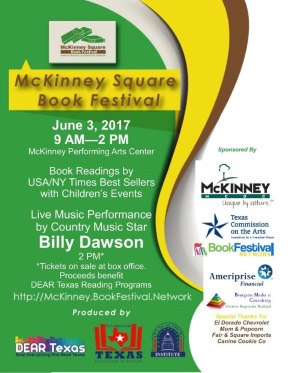
PS: Almost here! McKinney Square Book Festival! See you there.

Mckinney event

Do you know how to conduct an interview?

Writers need to understand their characters. twitter-click to tweet


And what better way to understand a character than asking questions?

A while back I was inspired by Dan Alatorre to play around with character interviews. It was a lot of fun.

One of my readers loved the idea so much he took it a step further and did not one, but four interviews of the characters in his upcoming book. What a fun read!

Here is the link to the first interview. The other three are just as entertaining. I loved them all! Great job Budgie. You can definitely use these as marketing tools.

Blood Drive Interview 1: Christian MAY 16, 2017

I think it’s great when an author like Dan, shares an idea and the idea takes on a life of its own.

If you missed Dan’s post here is the link: 

Character Interview: Samantha (Sam) From Poggibonsi April 30, 2017

Have you tried interviewing a character?

Think it’s something you might try?

What question would you like a character to answer?

If you missed my original post here’s the link: 

How to conduct an effective, revealing interview 

Talk to me – I love reading your comments.

Please head over and “like” my Facebook page at Facebook at jeanswriting . Or to connect with me, click the “write me” tab. Don’t forget you can follow me on StumbleUpon,  on Twitter @jeancogdell , and Amazon.com.

Please stop by and say “hey!”  I’ll leave a light on.