Is the bad guy evil or just irritating?

So, what is the difference between an evil person and an aggravating person?

A villain is evil but not always the antagonist.

An antagonist is not always evil and therefore not always the villain.
What Confused! Bitmoji Jean M Cogdell

Confused yet?

Well, hang in there. In an article by Annika Griffith, she explains the difference.

Just because someone in your book opposes the protagonist doesn’t make them evil. That makes this character an antagonist.

But, a character who opposes your protagonist with evil actions can become a villain.

Hang on, stay with me.

Koala Bear hanging on to a branch Jean's Writing

However, a character whose evil actions and motives are harmful to the protagonist, now that’s a villain.

What all this gibberish means is that the villain and antagonist can be two different characters or the same person.

Villian:
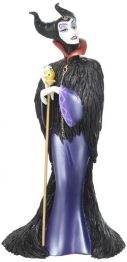
Maleficent Disney Movie Villian
Maleficent
  • Evil actions and/or motives
  • Doesn’t always oppose the protagonist
  • Can be the protagonist in the story
  • Is a character “type” not a plot role


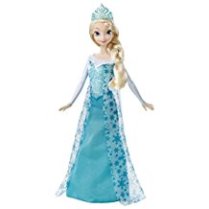
Elsa from Frozen
Elsa from Frozen

Antagonist:

  • Aren’t  evil, just a pain in the ass for the protagonist
  • Motives or actions aren’t evil
  • Is a character who conflicts with a protagonist
  • Opposes and causes conflict with the main character
  • Is a plot role and says nothing about their character or personality


Clear as mud right?

Well, I think Ms. Griffith explains it better, so click on the link below and get the nitty-gritty. Then meet me at the water cooler.

Me Let's Discuss - Jeanswriting.comIf the villain is not always an antagonist, do we need both in a story?

Do you use both or combine the attributes into one character?

What do you think? How do you interject a character conflict into a story?

The Difference Between Villains and Antagonist by Annika Griffith

YOU CAN FIND ME ON SOCIAL MEDIA BY CLICKING ON THE LINKS BELOW.
AND DO STOP BY JEAN’S WRITING ANYTIME, I’LL LEAVE A LIGHT ON. 

 

FacebookTwitterAmazonPinterestStumbleupon  

How to understand the secrets that bend a life

Ding, Ding, Ding!

That was a bell going off in my head after I read a recent post on Writers Helping Writers.

I’ve read many books and blogs on writing. Lots of them talk about understanding what makes the protagonist tick. What secret from their past bent their life?

After all, we are all a product of our environment. Right? Well, our characters are just like us. They too are bent by their childhood, relationships and traumas. But how do you show that? By figuring out what made them the way they are.

I know it sounds about as easy as becoming a rocket scientist. But stay with me.

This post below gave me insight into how to uncover secrets about my protagonist but, most important how to use them to tell her story.

Lisa Cron gives 3 simple steps to help us break down our main character’s beliefs. So I took those steps and this is what I did. Be sure and click on the link below, read Ms. Cron’s article for

So after following her steps I had a breakthrough with my WIP. Here is a brief glimpse of how I used her 3 step method.

  • #1: I sat down and thought about something she believed that could be wrong. When did this belief start? What happened to make her believe this way? How has this belief led to problems? Have her beliefs proved false?
  • #2: Jotted down times when her beliefs led her astray. When they tangled up her life and how I could incorporate these events into the story.
  • #3: Then I wrote a short scene that started her on her road to believing and behaving the way she does. (Now I doubt I will use this scene in its entirety but bits and pieces may show up in other scenes. What it did do was help me flesh out my protagonist.)

Be sure and click on the link at the bottom of this post and read Ms. Cron’s article for the entire picture. You’ll be glad you did. 

So tell, what did you think about beliefs and misbeliefs?

Does your protagonist have secrets you need to uncover?

In the post Become a Story Genius: How Your Character’s Misbelief Drives The Plot by ANGELA ACKERMAN welcomed story coach Lisa Cron to talk about new book, Story Genius and how defining the why behind this struggle is the key to unlocking a powerful story. 

Story Genius: How to Use Brain Science to Go Beyond Outlining and Write a Riveting Novel (Before You Waste Three Years Writing 327 Pages That Go Nowhere) by [Cron, Lisa]
Click Image for Sample Read
 I’d love to hear from you! Click the “write me” tab or contact me on Twitter @jeancogdell,Facebook at jean.cogdell and Amazon.com, stop by and say hey! The lights are on, and I’m waiting.

Please remember to share this post with your Twitter  peeps and Facebook fans.