My husband loves action movies. Lots of action with special effects and death-defying stunts. The bigger, higher, louder and most incredulous the better. Me, I can take or leave them. However, good actors are a must for me to sit through any movie.
So with the promise of dinner, I agreed to go see Equalizer 2 with Denzel Washington. A win-win for us both. Hubby gets lots of action and I don’t have to cook plus I get to watch Denzel. Be still my heart.Later that evening, over dinner, we discussed our likes and dislikes. Hubby could use more action. Sigh… But, our conversation did get me to thinking about the suspension of disbelief. About how I can accept a temporary acceptance of a particular reality or situation that normally strain credulity? Because that’s what it takes to keep me in my theater seat or turning the pages in a book.
Now everyone knows movies like Mission Impossible, and Equalizeraren’t real. So, what is it about these movies that keep fans coming back? That gets us so involved we jump in our seats every time there is an over the top explosion? Cringe when an actor leaps from tall buildings in a single bound, and he isn’t Superman?
For me, it’s the actor and he must sell the story. Same with books. A reader cannot get lost in our story unless they become invested in a character. Hate or love doesn’t matter. But the reader must have strong feelings about your character.
Which brings me to my writing.
What is it in a story that enables a reader to suspend disbelief?
Is it the character, plot or storyline?
For me, it’s the character. If I feel an attachment to the character, he becomes life-like. I want him to survive and succeed or die and disappear off the face of the earth. See what I mean about strong feelings?
What makes a character life-like when there are unbelievable stunts and wild special effects that we know are not possible?
Is there a way to show a vulnerability that will make a reader care?
Yes. Through everyday events. Back to my movie example. In the Equalizer 2, a lot of regular, believable, and even mundane things give the Robert McCall depth. He drove a Lyft car, lived in a simple apartment, helped neighbors, cared for an elderly customer, made tea, cooked, read books, etc. You know, normal stuff. With these normal human activities scattered throughout the movie, I liked the man. And when the wild, out there unbelievable began to happen, I gladly suspended disbelief to cheer in on.
What do you do to get a reader invested?
How do you connect with unbelievable stories?
Got any tips for me?
Go to the bottom of this post and click on the links.
It’s Wednesday and I’ve got another good book for you.
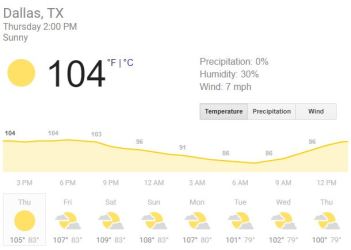
Today in Texas, the temp will reach 105 today, and 110 by Saturday. Whew, that’s hot even for me. And I love the heat.
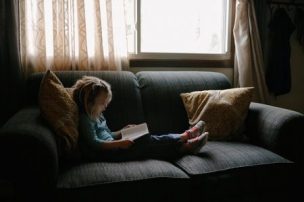
Want your kids to do more than play electronic games?
Well, when it’s too hot for the beach, park or just playing outside, what’s a parent to do? How about find a good book to grab their attention?
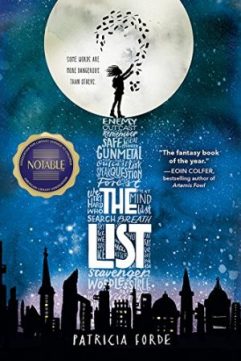
Today, I’m turning the spotlight on, The List By Patricia Forde. This is another book recommended by my school teacher daughter and my fourteen-year-old grandson.
Received a Notable Award from the American Library Association, The List is a very different dystopian story. There are no zombies, vamps, or roving murderous weird creatures. I enjoyed the premise of using language to control people, and how they must risk everything to keep their words. This is something I hadn’t thought possible until reading this book. Made me think about our freedom of speech. The story and characters held my interest from beginning to end. This book gets 5 stars from me for originality and great writing. Recommended for ages 12+. Kids and adults alike will enjoy this one. Click on the image to find out more.
Yes, it was two years ago this April, I finished the final touches on my first pre-school picture book.
Writing and publishing a picture book was a big learning curve.
Took me a year to finish this tiny 32-page book. Whew!
Maybe you have an idea for a children’s book, but like so many, you’ve put off starting because a picture book is a bit different from writing an adult story.
Let me speed you along toward your goal.
I’ve put together a list of 8 things I learned the hard way about writing a picture book.
Buy a good PDF program. Yes, some people use MS Word but, trust me, it’s not worth the headaches. I finally settled on Nitro Pro 10 Page Plus. It’s cheaper than Adobe and easy to use.
Writers write and editors edit. Use an editor that understands children’s books. Yes, even small 32-page picture books need an editor. I found a great one by just asking around. LinkedIn and Facebook Groups are great resources. I found a wonderful editor, Margaret Welwood.
Unless you can really draw, I can’t, find a good illustrator. Ask around. See #2.
Decide on the size of your book. Go to the bookstore and library, look at other books for similar to your book. Me, I went with 8.5 x 8.5. Not too big or not too small for little hands.
Download a photo editing program, I used Paint.NET, to help size the illustrations. Adobe will work too.
Purchase an ISBN. That will help your books get into libraries.Who doesn’t want that, right? You can use the same number for IngramSpark and Amazon publishing.
Use the cover templates provided by IngramSpark and Amazon or whichever publisher you decide. Each template is different.
Order proof copies before you finalize and publish. Hard lesson.
My tips don’t apply to an ebook. No, this post is about producing a print picture book.






 Later that evening, over dinner, we discussed our likes and dislikes. Hubby could use more action. Sigh… But, our conversation did get me to thinking about the suspension of disbelief. About how I can accept a temporary acceptance of a particular reality or situation that normally strain credulity? Because that’s what it takes to keep me in my theater seat or turning the pages in a book.

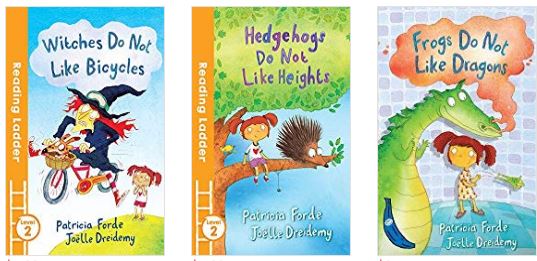


 Do you want to write a picture book?

 Jean's Writing