
How to avoid turning off your readers

Okay, confession time. I haven’t been writing for the past few weeks. Nothing but cold, wet weather and to top this misery up pops Daylight Savings Time. Yuck. Green sickly emoticon

But, today is sunny so, I’m back at my desk attempting to make some forward progress on my blog in addition to the 2 WIP sitting here.

You may ask what I’ve done all my time…
Ahem, Jean Cogdell BitmojiReading, reading and reading. Devouring books of all types. The good, great, bad and ugly. Some I’ve not been able to finish. Life is too short to spend hours reading junk. So, I may toss a couple of duds in search of a really good read. Found a few.

All this reading got me to thinking. Why do I reject a book after just a couple of chapters? Or even a few pages? And most of all, what can I do to avoid readers rejecting my stories? No writer wants them to run screaming from our books. Not unless we scare the pants off of them. LOL Nils Holgersson statute
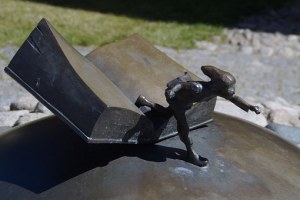
Look what I found…

TOP 8 PROBLEMS THAT TURN READERS OFF BY CARLY HAYWARD

Ms. Hayward gave me a lot suggestions. Some I related to and some I need to chew on but all I want to avoid in my writing. Whether you write, children’s books, novels, flash or short stories these tips will help you tighten up your writing.

My takeaway…

  1. Head Hopping
    • While this may not bother some readers, it drives me nuts. I already striver to avoid this one.
  2. Missing Main Character
    • This happens when a writer fails to introduce the MC within the first few pages.
  3. Too Much Backstory
    • Okay, here is another of my reading pet peeves. Try not to put the reader to sleep with history.
  4. Floating Head Dialog
    • Ground the reader before throwing them in the middle of a conversation. If you must start in the middle of a conversation, make sure the reader understands who is talking.
  5. Action without Grounding.
    • We’ve all heard, start with action. But you still need to ground the reader or they won’t care what’s happening.
  6. The Recap
    • Easy going over past events. Instead of a character going over what led them to a place, show the reader what happened to avoid boring the reader.
  7. Distant Beginnings
    • In an effort to convey a sense of mystery a writer may leave too many details vague. Don’t. You need to let the reader connect to the character.
  8. Overdone Beginnings
    • Don’t start with a cliché. There are no new beginnings, but add something to yours and make it special. Hook the reader with something unique.

Be sure and click on Ms. Hayward’s article (here) and read everything she has to say about engaging your reader.

Which one of these 8 puts you off a book?

Do you have any suggestions to add to Ms. Hayward’s list?

PLEASE TAKE ANOTHER MINUTE AND LOOK ME UP ON SOCIAL MEDIA BY CLICKING ON THE LINKS BELOW.

AND STOP BY JEAN’S WRITING ANYTIME, I’LL LEAVE A LIGHT ON. 

FacebookTwitterAmazonPinterest


How to prevent your well from running dry

And keep new and fresh ideas bubbling to the surface.

So many times, more than I like to admit, my well of ideas dries up like a desert. But, then when I least expect it, BLAM, a new one hits me upside the head.Jean Cogdell Bitmoji image hit with rake in head

For instance, at dinner the other night a friend shared how much her grandson loved my book, A Reluctant Little Prince. She explained which character he loved the most and why. As I lay in bed that night, savoring her wonderful compliments, BAM, a new children’s book clobbered me.

But we can’t always wait for divine inspiration. There are way too many dry spells in between.

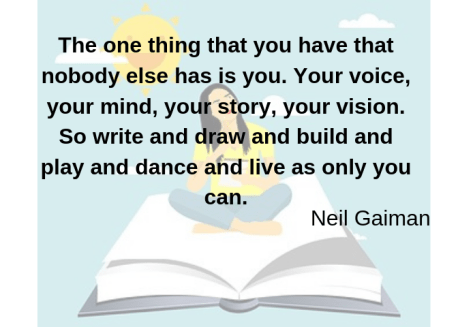
Neil Gaiman quote about writing your story

So, how do we keep the ideas flowing?

Thanks goes to Now Novel for a few terrific suggestions on how to keep the well of ideas overflowing…

Book ideas: 12 inspiring sources

Here’s the cliff note of what I learned…

  • Look to the Gods. Not praying and waiting, but check out various myths and superstitions are good fodder for a story. Have a favorite myth? Try rewriting it in the current day.
  • Historical events. Use for backstory. Rewrite events into your story.
  • Documentaries. Use a documentary to broaden your knowledge. Turn it into fiction by asking the “What if” question.
  • Journaling. Now I’m not good at keeping a daily journal, but I do keep an idea journal.
  • Central Idea section of Now Novel. Can’t wait to try this.
  • Search Archives. Historical and ancestry archives can be a treasure trove. Now Novel gives a couple of links to get us started. I can get lost in Ancestry stuff.
  • Inspiration from your favorite author. Again, ask “What if” and see how an idea can grow.
  • Find a new experience. Hmm, this one I’m going to think about a bit.
  • Short stories. Write or read a short story and try to develop it into a novel.
  • What if. We all know about this question. But try asking it about movies, as well as stories and see if a new idea comes.
  • Music. Not for me. I find music distracting instead of inspiring.
  • Creative constraints. This is used in short stories and flash fiction with word counts. But try writing about a character with constraints of some sort. Again, this one will take a bit of thinking for me.

Thumbs up Now that's a great ideaAs always, the article above gives us a lot more information about finding story ideas. I hope you’ll click on the link and read all about her 12 idea suggestions. Plus there are a few great links to check out.


PLEASE TAKE ANOTHER MINUTE AND LOOK ME UP ON SOCIAL MEDIA BY CLICKING ON THE LINKS BELOW.

AND STOP BY JEAN’S WRITING ANYTIME, I’LL LEAVE A LIGHT ON. 

FacebookTwitterAmazonPinterestStumbleupon 


Do you celebrate the big and small?

As writers, we need to remember to celebrate a small success as well as a big one.

No matter what happens, celebrate. Whether it’s words written, a book sold, or great compliment.

When you’ve typed the end! Pop the Cork! Is a really big event.

But don’t forget the little stepping-stones that moved you forward to the big finale.

Such as…

A new idea appeared in your mind as if by magic!

Good review on Amazon.

500 words written, yay!

10,000 words written… Now you’re cooking with gas.

Or as happened for me this past week an amazing compliment.

A friend gave her young grandson a copy of my book A Reluctant Little Prince for his birthday. And…

He insists someone read the book to him every day! And more important, he recognized himself in the story. I’ve been walking on air.

Guys, I don’t know about you, but a little love goes a long way to keep my creative juices flowing.

Each milestone is worth a pat on the back. Keep writing.

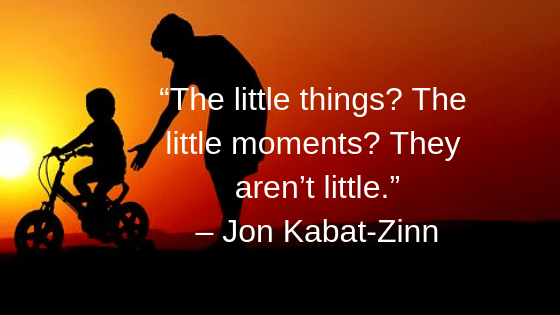
Quote by Jon Kabat-Zinn

What keeps you writing?

Do you celebrate the little accomplishments as well as the big ones?

PLEASE TAKE ANOTHER MINUTE AND LOOK ME UP ON SOCIAL MEDIA BY CLICKING ON THE LINKS BELOW.

AND STOP BY JEAN’S WRITING ANYTIME, I’LL LEAVE A LIGHT ON. 

FacebookTwitterAmazonPinterestStumbleupon 


What do you think about first point of view?

Which do you prefer second, third or multiple?Writers what is best POV?When I first began, writing in first person POV was frowned upon. Many bloggers insisted it was a hallmark of a novice. This was frustrating as hell because I love writing in 1st POV.

Now I understand that’s not what determines you, as a writer. Each writer is unique as is their story. A good story stands out no matter the POV.

There are pros and cons to everything, even the chosen POV. However, good stories are good and the only thing (IMHO) that waves the red flag of a novice is bad editing.

Thanks to one of my favorite bloggers for sharing…

10 Advantages of Writing a Single-POV Story (What I Learned Writing Wayfarer)  by 

Why I like first person POV…

  • Understanding who is narrating the story is simple. No flipping back and forth to refresh my memory on the who.
  • The narrator’s journey gives a closer connection to the POV and story.
  • Focus of the story, plot, and the theme are more direct.
  • Subplots and supporting characters are directly connected to the narrator.
  • Single POV calls for tighter writing. (I love writing flash.)

Bottom line there is no right or wrong POV. We all must be true to the story.

Tell me…

Which POV do you prefer? Why?

Have you tried your hand at the other POV’s?

PLEASE TAKE ANOTHER MINUTE AND LOOK ME UP ON SOCIAL MEDIA BY CLICKING ON THE LINKS BELOW.

AND STOP BY JEAN’S WRITING ANYTIME, I’LL LEAVE A LIGHT ON. 

FacebookTwitterAmazonPinterestStumbleupon